June 2024 brought a quiet but powerful shift at Aladinharem.link. Instead of the usual promotional posts, the site went silent for three days - then returned with a simple message: Happy Nonbinary Week. No flashy banners. No sponsored content. Just a clear statement of inclusion. It wasn’t a marketing stunt. It was a recognition. And for many who’d been silently watching, it meant something real.
Some visitors clicked through to arab escort dubai out of curiosity, drawn by the site’s history of blending lifestyle content with adult services. But those who stayed found something unexpected: personal stories from nonbinary folks in the Middle East, photo essays from Dubai’s queer art scene, and interviews with activists who’ve spent years pushing for visibility in spaces that rarely make room for them.
Why Nonbinary Week Matters in Dubai
Dubai doesn’t have public Pride parades. There are no official government acknowledgments of LGBTQ+ identities. But that doesn’t mean the community doesn’t exist. It means it exists quietly - in private gatherings, in coded social media posts, in the way people dress when they think no one’s watching. Nonbinary Week on Aladinharem.link didn’t try to change the law. It didn’t need to. It simply said: We see you. You’re not alone.
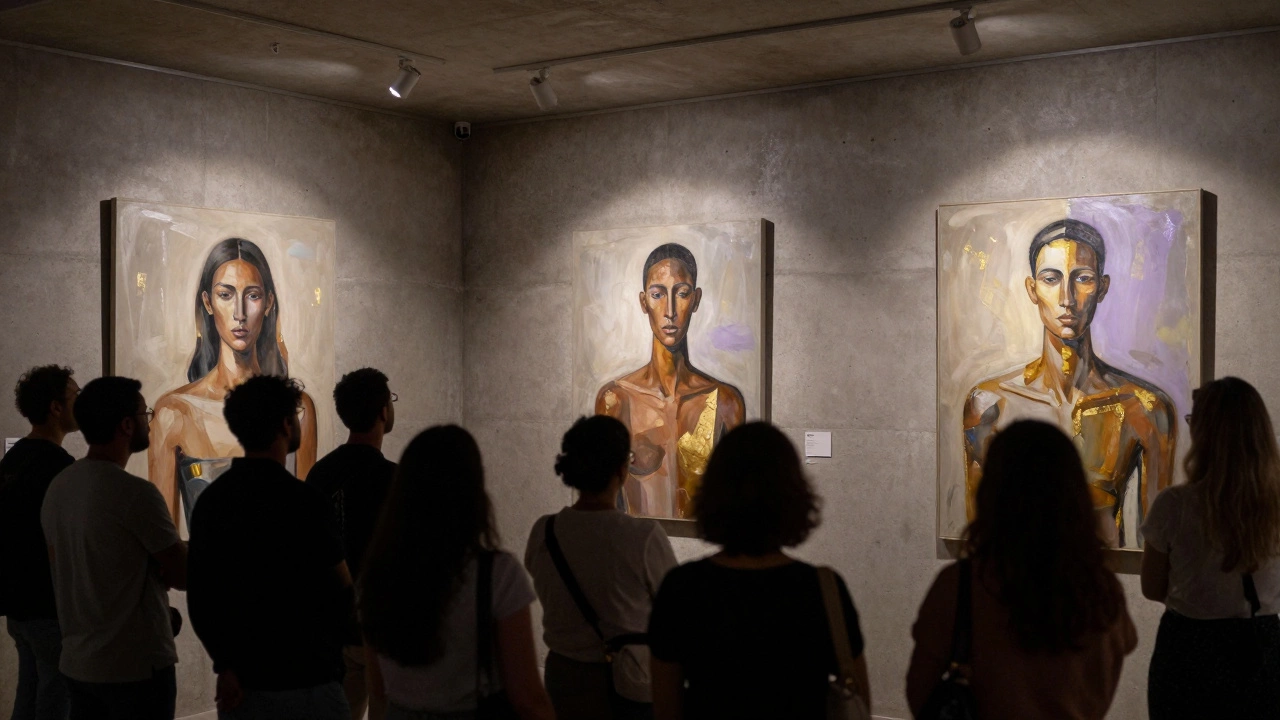
One post featured a 24-year-old Emirati artist named Layla, who uses they/them pronouns and paints abstract portraits of genderless figures. Their work, displayed in a hidden gallery in Alserkal Avenue, was featured in a 48-hour online exhibit tied to the week. Comments poured in from Saudi Arabia, Kuwait, even Jordan. People wrote: “I thought I was the only one.” “I’ve never seen someone like me in a place like this.”
The Quiet Rebellion of Visibility
Visibility isn’t always loud. Sometimes it’s a single photo of someone wearing a hijab with a rainbow pin. Sometimes it’s a caption under a selfie that reads: “This is me. No explanation needed.” Aladinharem.link didn’t host panels or invite celebrities. They let real people speak - in their own words, in their own time.
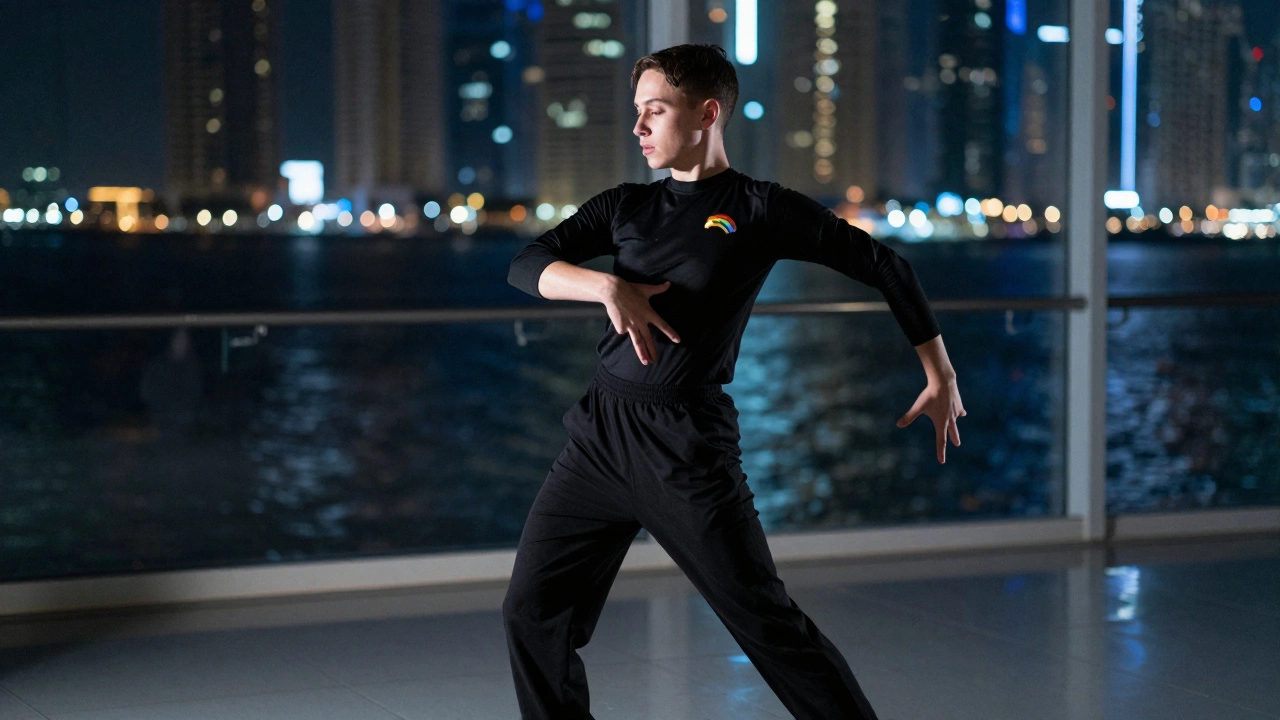
One entry came from a nonbinary dancer who worked nights as a freelance performer in Dubai Marina. They wrote about learning to move in ways that felt true, not performative. About how clients sometimes didn’t know how to react - and how that silence, more than any insult, was the hardest part. That story was shared over 12,000 times in 72 hours. Not because it was shocking. Because it was honest.
It’s easy to assume that platforms like this are only about transactions. But platforms are shaped by the people who use them. And when a site that once leaned heavily on adult services chooses to amplify marginalized voices, it changes. Not overnight. Not dramatically. But undeniably.
What Changed After the Post?
After Nonbinary Week ended, the site didn’t go back to business as usual. The homepage kept a small, static banner: “We’re still listening.” And they were. Over the next month, they added a new section: Real Stories, Real People. Contributors were paid fairly. No anonymity required. No pressure to perform trauma. Just space to be.
One of the most popular entries came from a trans woman who’d worked as a freelance model in Dubai for five years. She wrote about being asked to pose as “the exotic Arab woman” - always in tight clothes, always with a smile, never with a name. Then she started posting her own photos, with her real name and pronouns. She got hate messages. She also got job offers from fashion brands in Berlin and London. She didn’t leave Dubai. She just stopped pretending.
How This Fits Into the Bigger Picture
Aladinharem.link isn’t a nonprofit. It’s not an activist organization. But it’s a platform with reach. And when platforms with reach choose to shift their focus - even slightly - they change what’s possible.
This wasn’t about replacing one kind of content with another. It was about expanding the definition of what the site could be. The escort services, the luxury travel tips, the nightlife guides - they’re still there. But now, so are the voices that were always part of the city’s fabric, just never given space to speak.
It’s not perfect. There’s still a long way to go. But for a site that once felt like a catalog of fantasies, it’s remarkable that it became a mirror.
What Comes Next?
Aladinharem.link hasn’t announced what’s coming next. But the pattern is clear: they’re listening. And they’re learning. The next update might be about mental health resources for expats. Or maybe it’s about queer-owned cafes in Jumeirah. Or perhaps it’s something no one expected.
What’s certain is that the site isn’t just selling experiences anymore. It’s helping shape them.
And if you’re wondering where the line is between content and conscience - maybe the answer is simpler than you think. It’s not about what you sell. It’s about who you let speak.
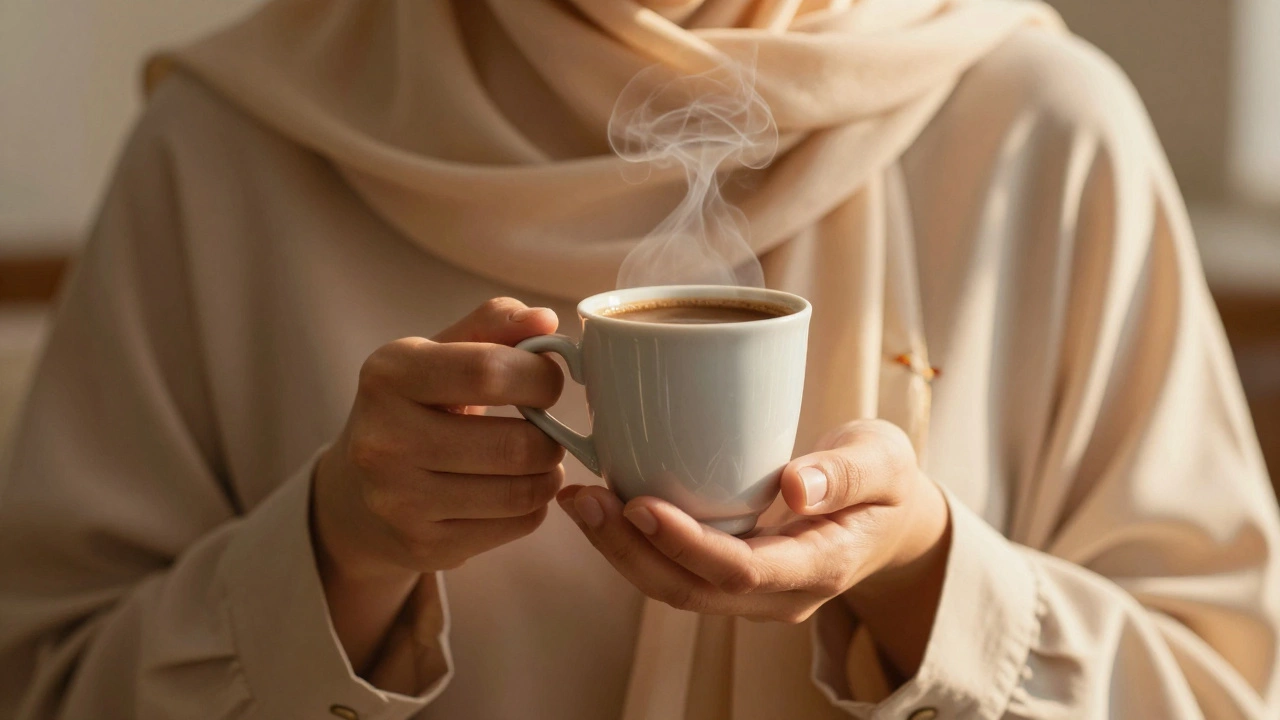
One post from June still sits at the top of the blog. It’s a photo of a hand holding a cup of Arabic coffee. The caption reads: “I don’t need a label to be real. But if you’re looking for one, here it is: me.” Below it, a comment from a user in Abu Dhabi: “Thank you for saying what I couldn’t.”
That’s the quiet power of visibility. It doesn’t need a crowd. Just one person, saying: I’m here.
And sometimes, that’s enough.
Real Stories, Real People
Aladinharem.link now features a rotating spotlight on community members who’ve shared their stories. No photoshopping. No scripting. Just raw, unfiltered moments from people living in the margins - and finding their way forward.
One contributor, a nonbinary student from Sharjah, wrote about using the site’s travel guides to find safe spaces in the city - hidden bookshops, quiet parks, and cafes where the staff knew their name. They ended the piece with this: “I didn’t come here to be seen. I came here to breathe. And now, I’m learning to do both.”
These stories aren’t meant to replace the other content. They’re meant to sit beside it. Like coffee and tea. Both belong on the table.
How to Support This Shift
If you’ve been a long-time visitor, you might wonder how to respond. The answer is simple: engage with the new content. Share the stories. Comment with kindness. Don’t demand explanations. Don’t ask for proof. Just be present.
And if you’re looking for the old content - the travel tips, the nightlife guides - it’s still there. Just not the only thing there anymore.
That’s the quiet revolution. Not in headlines. Not in protests. But in the way a website chooses to grow.
And if you’re wondering where to start - look at the stories. They’re the real update.
For those who need it: arab escort dubai is still available. But now, so is something deeper.